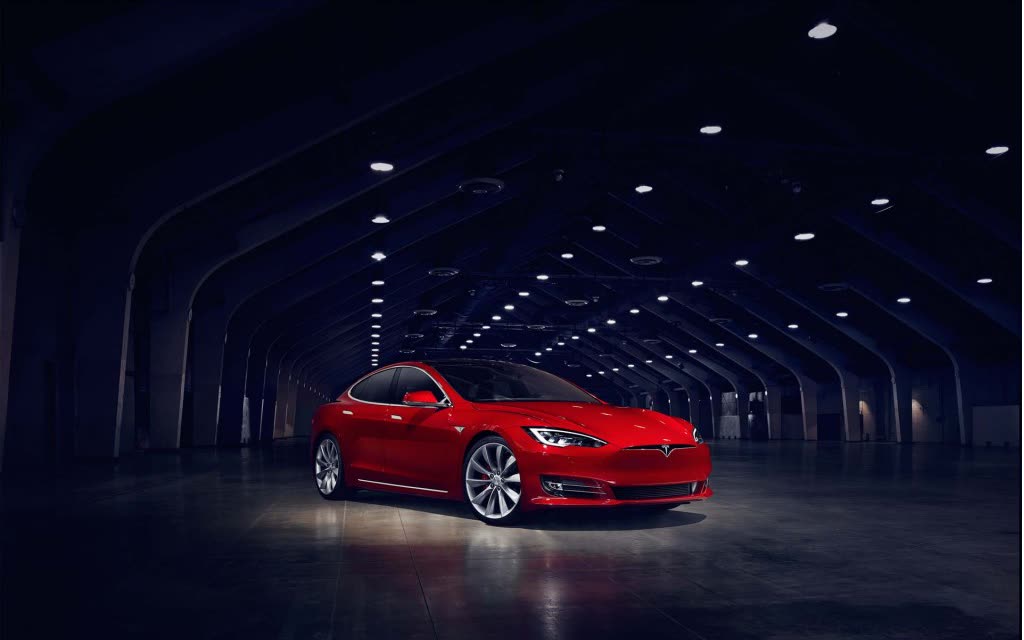
Black screen repair Tesla
Tesla black screen or reboot
Tesla MCU1 replacement eMMC model s x

tesla center display storage device degraded
tesla emmc mcu1 8gb hynix
Tesla has acknowledged a flash memory issue with older versions of the MCU (Media Control Unit) installed in Tesla Model S and X electric vehicles manufactured in 2018 or earlier.The automaker extends the warranty for the stock built-in Multi-Media-Card (8GB eMMC) memory in the MCU

This problem was previously called "Tesla MCU1 eMMC failure". The reason for its occurrence is the use of cheap memory with a finite number of write cycles, as well as the constant excessive writing of data to this memory. As a result, the memory card is constantly overflowing and after a few years, the system of the electric vehicle begins to experience malfunctions in the central display or freezes on-board computer. In the worst case scenario, a complete immobilization and blocking of the electric vehicle occurs. In this case, the owners had to disconnect the 12V battery for a while to revive the car and get to the service.
eMMC hynix 8gb has a limited number of write cycles available
Model S and Model X 2012 - March 2018 have this issue. When the MCU stops working, you will not be able to use Chademo, Supercharger fast charging, and the normal car charging speed will drop to 2A. The MCU screen itself remains black.
If your Model S and Model X car is already behaving strangely, when playing music via Bluetooth, any other lags take a long time to reboot. Your best bet is to replace the 8GB eMMC flash card (Many people call this a Tegra tegra repair) before it completely fails and you have a black screen MCU. If your car is 2012-2016, we recommend that you replace the eMMC with swissbit industrial grade 16 gb memory
Repairing eMMC flash memory in an MCU is often referred to as Tegra repair, but this is not true, since the Nvidia Tegra chip does not fail. This misconception is due to the fact that the tegra is located on the same board as eMMC.
You cannot replace the eMMC flash memory yourself, since you need to unsolder it from the board, read the data, write it to a new flash memory and solder it back. If your flash memory has already died and the data cannot be read, you will lose the ability to control the car through the Tesla app. You will need to regenerate the certificates.
Symptoms of a malfunction mcu tesla model S X
Center display (MCU1) is black and won't turn on
・Bluetooth connection drops
3G/LTE connection is often lost where the signal should be good
Maps render slowly
・Warning if there is no data traffic even though you are connected to the Internet
MCU1 not responding
· MCU1 reboots randomly
Interruption of music streaming
FM radio stuttering
・Pause radio every few seconds
・Voice command not working
Browser not working
· Bluetooth and Wi-Fi do not work together
Navigation not working
Когда Илон Маск сказал, что автомобили Tesla - это компьютеры на колесах, он забыл упомянуть, что они работают на Linux. Они также много регистрируют.
Ремонт Tesla в киеве из-за дешевой карты флэш-памяти eMMC.
MCU is Media Control Unit, not Main Control Unit
Tesla cars have emmc memory problems
Regardless of your machine, sooner or later your MCU will need to be replaced.

“The main issue is that this excessive log file write causes wear on the eMMC flash. Flash memory is typically only rated for a few tens of thousands of write cycles. What happens is that the flash starts to fail when the writes can no longer be completed. When one unit fails, parts of the firmware can also become unreadable, causing the MCU to perform poorly or completely fail.”
“The file system in MCUv1 is controlled by a NAND-based eMMC flash chip. While they are solid and great for automotive use, there is one pretty big downside. Each bit of memory on a flash chip can only be written a limited number of times before the data is corrupted - and that bit can no longer reliably store 0 or 1."
“Tesla has chosen a flash chip that cannot handle constant read/write functions. These chips have been replaced with a more reliable version.”
If you still don't understand what's going on, every Tesla has an MCU or media control unit. Version 1, also called MCUv1, powered Tesla Model S and Model X devices until 2018. In the event of a breakdown, the vehicle loses important functions controlled by the touch screen.
Among its many components was an ARM-based nVidia Tegra processor.
Tesla soldered an 8GB eMMC flash memory chip to the same processor board.

“However, since the initial release, the size of the Tesla firmware image has increased from 300 MB to a maximum size of 1 GB.”
In other words, the firmware is now competing with magazines for space on the eMMC chip. When a chip sector wears out while writing a log, a mechanism called wear leveling is used.
CID - the central display is a daughter board to the MCU.
The CID is made by Nvidia, the processor on the MCU is also by Nvidia. Because it's made by nVidia, they used a typical system on their high end graphics cards, i.e. the firmware update goes alternately to partition 1 or 2, whichever is not active at the moment, the new firmware is checked, then the car reboots to the new firmware and deploys phased components in the rest of the car.
The boot co-processor lives in a Tegra 3 chip other than the actual T3 processor, and on reset this co-processor is initialized. It's a fairly large chip for an embedded device (512MB) and the reason is that it keeps track of which partition in the eMMC is active and then loads the OS from it into RAM on every boot. When finished, the coprocessor chains into the T3 processor, which boots into an in-memory file system, and mounts eMMC partition 3 as /var and 4 as /home.
“The eMMC flash chip architecture attempts to mitigate this issue with wear leveling. It distributes write operations throughout the chip to ensure that certain bits are not written very frequently, essentially avoiding the write limit.”
“The flash controller transparently and smoothly spreads wear across the chip, using unused areas of flash memory to increase the effective number of write cycles available. Since Tesla uses almost 100 percent of flash today, there is no free space left for additional wear leveling to compensate for excessive log writing.”
Simply put, there comes a time when the eMMC flash goes bad.
“If the data changes on a chip too often and in large quantities, wear leveling may not do much, and at some point the data starts to become corrupted. You can either lose data or basic functions can start to fail depending on where the damage happened.”
When this happens, Tesla simply replaces the entire MCU. If your car is still under warranty
We have sophisticated flash chip removal equipment and ball soldering equipment
“We remove the MCU from the car and completely disassemble it. We can then extract the unique ID authentication keys from the eMMC even if part of it is corrupted. These keys are required to authenticate the vehicle to the Tesla network and grant the user access to firmware updates and the Tesla app. ”

There's no getting away from the root cause of the problem: excessive logging. And the only one who can address this is the manufacturer.
“Tesla should just disable syslog on all vehicles unless specifically required on a development vehicle or to diagnose an infotainment issue on a particular vehicle. There is absolutely no reason to write hundreds of MB per day to a small onboard flash chip. ”
“In my opinion, this is not necessarily a manufacturing defect. The various Tesla software development teams may not have considered that other teams were logging so much when they coded their logging functions. However, there was definitely some oversight in the design of these units as a whole.
“Tesla has been aware of this issue for years and has done nothing to address it.
Not only because of older devices with MCUv1, but also because their new cars are at higher risk of MCU issues than older ones.
“Instead of reducing the problem, today it logs more data than ever before. Combined with maximum size firmware images, general caching - map tiles, autopilot information, music, etc. - this increases the likelihood of every MCUv1 failing. ”
Despite having a 32GB eMMC flash chip, the MCUv2 runs much larger software.
“There are a lot more options for wear leveling. However, be aware that MCUv2 has some advanced features such as 3D games and Youtube, Netflix which take up more space on the file system. ”
“MCUv2 and Model 3 also have an issue with excessive logging. Fortunately, they have a larger flash memory size, which should mitigate the problem for a while. However, Tesla will still have to eliminate or significantly reduce logging if they want them to continue. ”
emmc replacement algorithm:
Turn off the MCUremove the board on which the eMMC is located
Unsoldering eMMC
We put eMMC in the programmer
Programming a new flash memory
Soldering the eMMC to the board
Connecting the MCU
Turn on the MCU
Repair training
there is instructions for training
there is consultation for training
You need buy this equipment:
Ufi box programmer


rt809H programmer


bga adapter for rt809h

9 on 9 adapter holder


bios from tegra


emmc from tegra


You can buy full repair manual
WhatsApp:
+38 050 809 2007
Telegram:
@hddhelpcomua
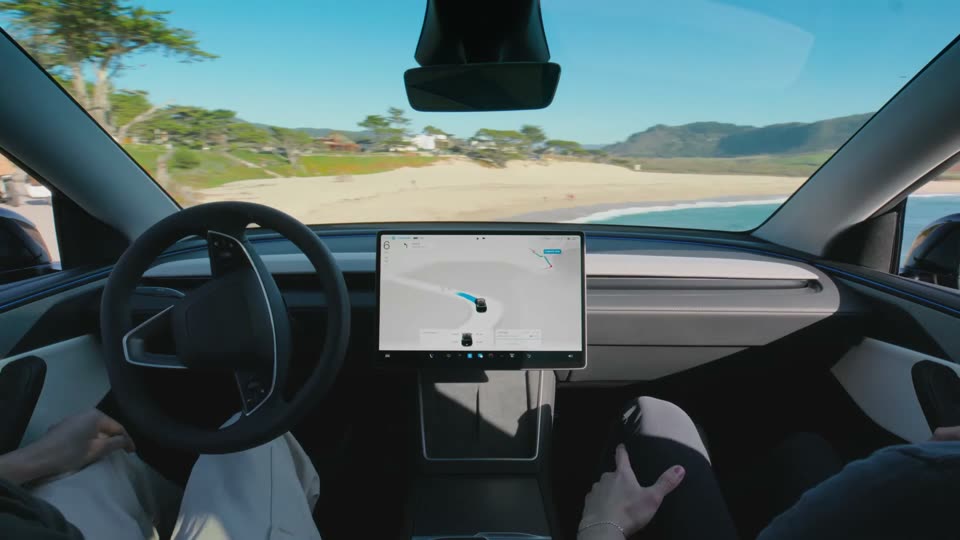 Full Self-Driving (Supervised)Автопілот веде авто у реальному міському потоці.
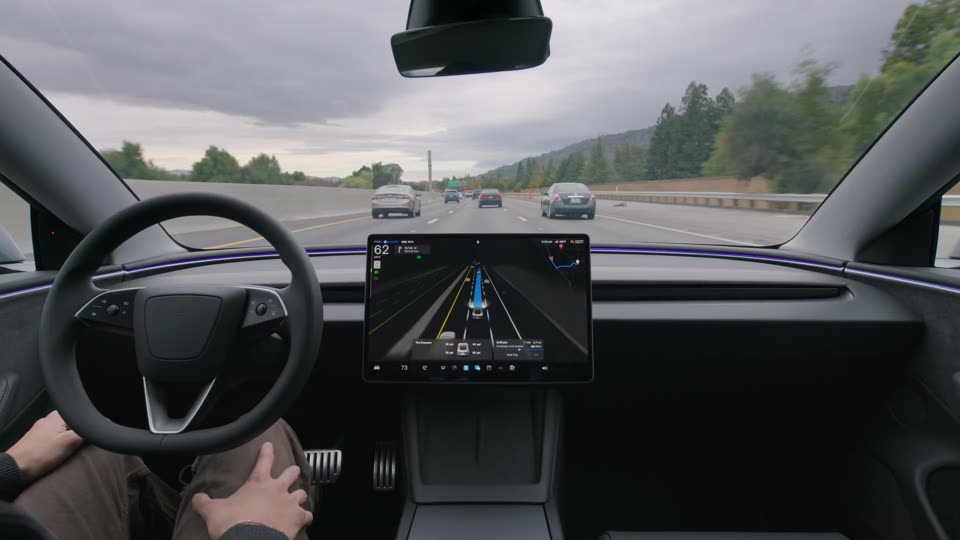 FSD на трасіПерестроювання та дистанція на швидкості.
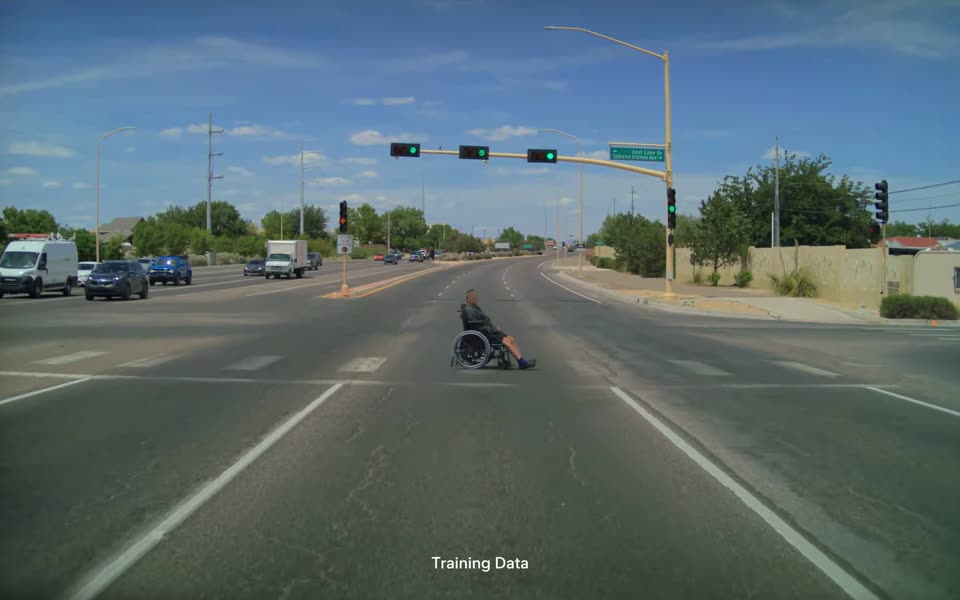 Складні сценаріїРеакція на те, чого немає у правилах руху.
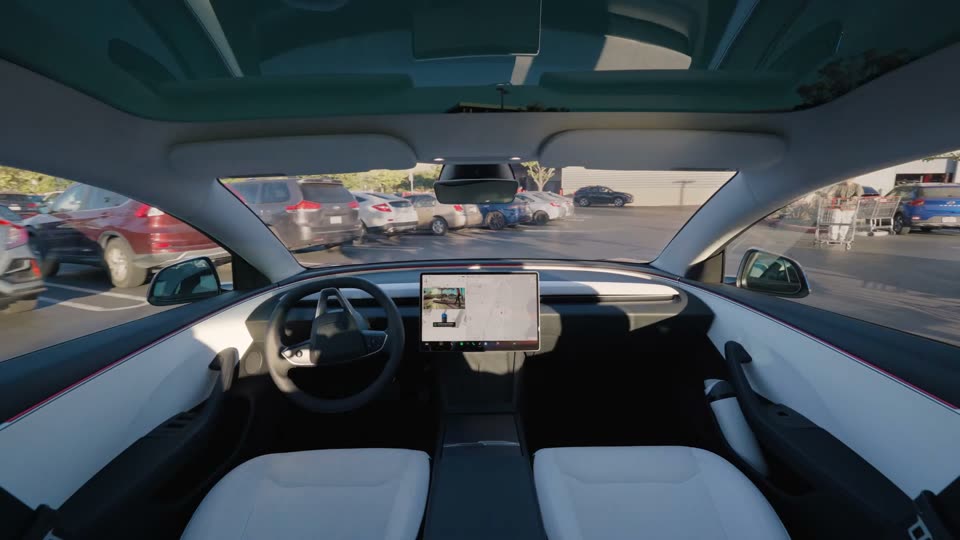 Actually Smart SummonАвто саме виїжджає з паркомісця до вас.
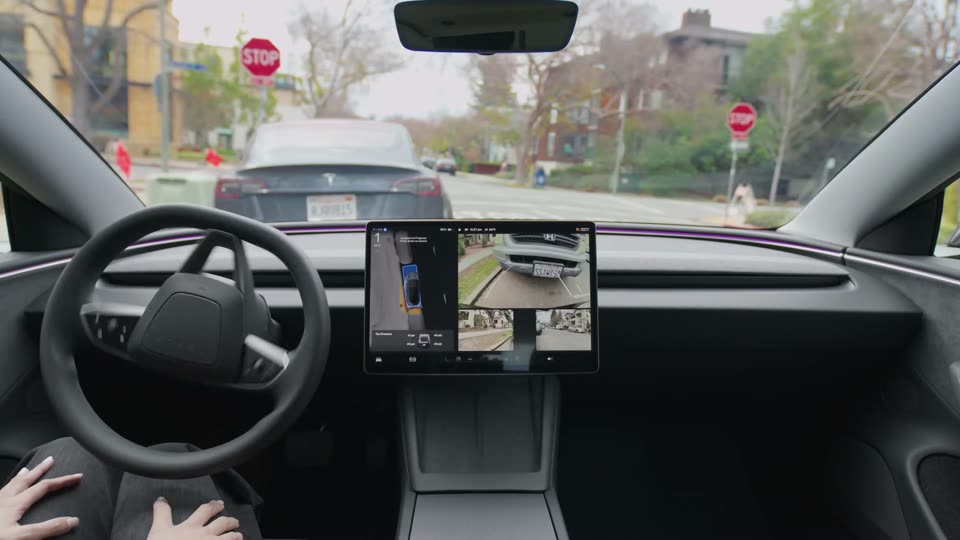 AutoparkАвтоматичне паркування в один дотик.